
Can Lithium-Ion Batteries Be Recycled at Scale?
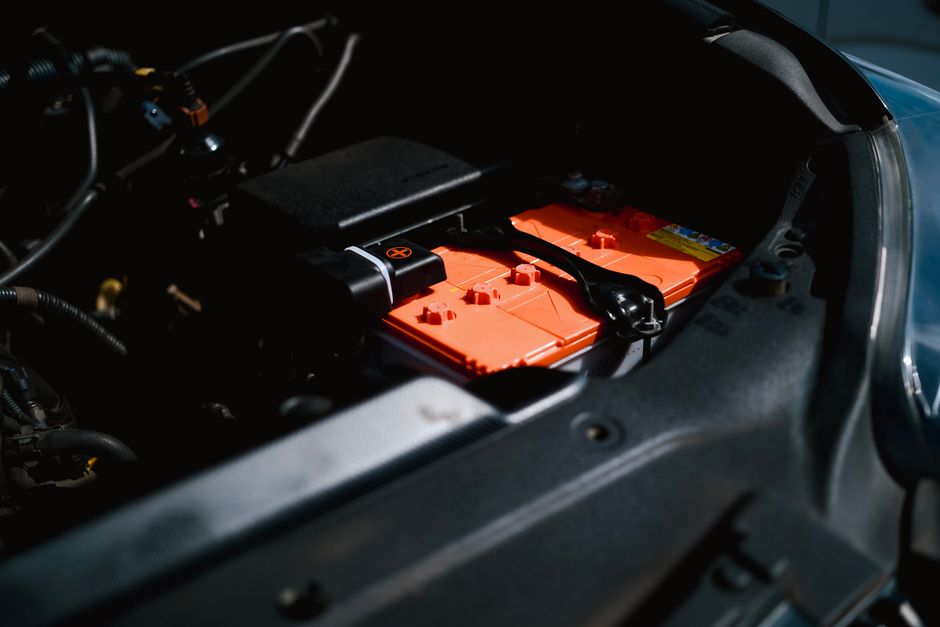
Yes, lithium-ion batteries can be recycled at scale, but the system is not yet able to recover every material cheaply or cleanly from every battery design. The practical path is triage first: assess a pack for repair or reuse, then dismantle and process it through pyrometallurgy, hydrometallurgy, or direct recycling. Collection, safe handling, mixed chemistries, and material purity remain the hard limits.
The useful question is not simply, “Can it be recycled?” It is, “What is the highest-value safe next use for this particular battery?” That distinction prevents a working product from being crushed too soon and makes the real bottlenecks easier to see.
Can electric-car batteries actually be recycled when they wear out?
Yes. Electric-car batteries can be recycled when vehicle service ends, but recycling is often not the first stop. The U.S. Department of Energy Alternative Fuels Data Center says an EV battery may retain at least 70% of its initial capacity at the end of vehicle service; if it is undamaged, it may serve for another 10 years or more in stationary storage.
That creates a simple decision ladder: repair if the pack can safely keep doing its original job, repurpose if it can safely do a lower-demand job, and recycle when continued use is no longer appropriate. The EPA describes packs moving through dealerships, mechanics, or vehicle dismantlers before identification, sorting, transport, and sometimes partial disassembly into modules or cells. A repairable pack may have defective modules replaced; a viable pack or module may be repurposed for uses such as solar-electricity storage.
This is the use-before-elements rule. Keeping a safe battery working avoids the additional energy use and greenhouse-gas emissions required to fully break it down and remake battery materials, according to National Renewable Energy Laboratory. Recycling still matters. It is the fallback that returns materials to the supply chain once reuse is no longer safe or effective.
For consumers, the replacement behavior is clear: do not treat a damaged battery as a routine appliance part. Use qualified vehicle and battery channels. The same practical mindset applies when you need to find a trustworthy independent automotive workshop for your vehicle: ask what happens next, who handles the work, and whether the answer accounts for safety rather than merely convenience.
Which materials can be recovered from lithium-ion batteries?
Recovery depends on the recycling route, but lithium-ion batteries contain recoverable lithium, nickel, cobalt, manganese, graphite, iron, copper, and aluminum. Before those materials can be separated, processors commonly discharge, dismantle, crush, shred, and separate battery components. That process produces black mass, along with copper and aluminum foils, plastics, steel canisters, separators, and electrolyte.
| Route | What it does well | Its material trade-off |
|---|---|---|
| Pyrometallurgy | Handles mixed battery types at large scale. | Generally recovers cobalt and nickel, but burns organic components; lithium remains in slag. |
| Hydrometallurgy | Uses leaching to recover high amounts of cobalt, nickel, lithium, and manganese. | Recovered metals still need further processing to become battery materials. |
| Direct recycling | Preserves and regenerates active cathode materials for reuse. | Requires very clean separation of different cathode chemistries. |
Pyrometallurgy is the blunt tool: flexible on mixed feedstock, but costly in what it destroys. Hydrometallurgy is broader in its potential recovery. Argonne National Laboratory's EverBatt model includes recovery of materials such as copper, steel, aluminum, graphite, plastics, lithium carbonate, cobalt, nickel, manganese, and electrolyte solvents in a hydrometallurgical pathway.
Direct recycling is the precision tool. Rather than reducing cathodes to metal salts or alloys, it seeks to reclaim and regenerate the active cathode material itself. The Department of Energy Office of Scientific and Technical Information review reports that direct recycling can reduce greenhouse-gas emissions from cathode-material production by 81% to 98% in the cited life-cycle analysis. That upside is real, but only if the material is separated well enough to be useful again.
Why are lithium-ion batteries difficult and expensive to recycle?
Lithium-ion batteries are difficult and expensive to recycle because they are chemically diverse, physically hard to dismantle, hazardous when damaged, and worth different amounts depending on their chemistry. The Department of Energy puts the central issue plainly: most components can be recycled, but material-recovery cost remains an industry challenge.
Start with the pack itself. Batteries use different designs and material combinations, and those parts are difficult to separate. Standardized designs and design for disassembly would improve the economics, but recyclers must work with the batteries that arrive now, not the batteries designers may build later.
Then comes the purity problem. Argonne reports that direct recycling must distinguish cathode chemistries including lithium cobalt oxide, NMC, NCA, LFP, and LMO. Its researchers demonstrated froth flotation separating NMC111 and LMO materials at 95% or higher purity with negligible electrochemical-performance impact. The point is not that separation is impossible. The point is that a recycler cannot sell a mixed, low-purity output as a dependable cathode ingredient. Purity carries the commercial case.
Finally, safety changes the cost structure. The EPA states that most discarded lithium-ion batteries are likely ignitable and reactive hazardous waste because they can catch fire or explode if mishandled. Damaged batteries are more likely to enter thermal runaway and should not be reused or sold for reuse. Safe storage, inspection, transport, and processing are necessary work, not optional overhead.
The sustainable battery future therefore needs more than a larger shredder. It needs better collection, safer handling, battery designs that can be disassembled, and recycling routes matched to the material in front of them. Argonne projects that 2 million tons of end-of-life lithium-ion EV batteries will be retired each year in less than a decade; infrastructure must be ready for that volume.
Use this week’s drill: when you hear “battery recycling solves the mining problem,” replace it with a sharper question: “Which materials are being recovered, at what purity, and was reuse still possible first?” That question gets you past the slogan and into the actual system.
Frequently Asked Questions
Does recycling EV batteries reduce the need for new mining?
Yes, recycling can reduce waste and demand for virgin materials by creating a secondary supply of recovered battery inputs. It does not eliminate the need for new mining, because no integrated recycling process recovers all battery materials and the system still needs enough usable end-of-life batteries to process.
What happens to an EV battery before it is recycled?
An end-of-life pack may first be collected through a dealership, mechanic, or vehicle dismantler, then identified, sorted, transported, and partly disassembled into modules or cells. If it remains safe and effective, it can be repaired, reused, or repurposed for stationary storage before material recovery is considered.
Are battery-recycling plants safe from fire risks?
They can manage fire risks only with disciplined handling, because discarded lithium-ion batteries are likely ignitable and reactive hazardous waste. EPA guidance includes terminal isolation, damage prevention, ventilated climate-controlled storage, separate areas for damaged batteries, thermal inspections, fire suppression, and coordination with fire responders.
Sources
- U.S. Department of Energy Alternative Fuels Data Center
- U.S. Environmental Protection Agency: Lithium-Ion Battery Recycling
- U.S. Environmental Protection Agency: Lithium-Ion Battery Recycling FAQs
- Argonne National Laboratory: Battery Recycling Research
- Argonne National Laboratory: EverBatt Model
- National Renewable Energy Laboratory: Circular Economy Analysis
- U.S. Department of Energy Office of Scientific and Technical Information: Direct Recycling Review
Keep reading

What Organs Are in the Female Pelvis, and How Do the Systems Differ?
A plain-language guide to female pelvic organs, their front-to-back positions, and the difference between urinary and reproductive anatomy.

How Do You Measure the Density of a Rubber Eraser?
Measure an irregular rubber eraser’s density with mass, water displacement, a clear formula, and an accuracy checklist.

How Does Multilevel and Multidimensional Association-Rule Mining Work?
A clear guide to multilevel, multidimensional, quantitative, rare, and negative association-rule mining for data-mining students.
How Do I Identify and Correct Single-Cell Depressions in a DEM?
A practical GIS workflow for finding artificial DEM pits, choosing sink treatments, and validating watershed results.